
Introduction
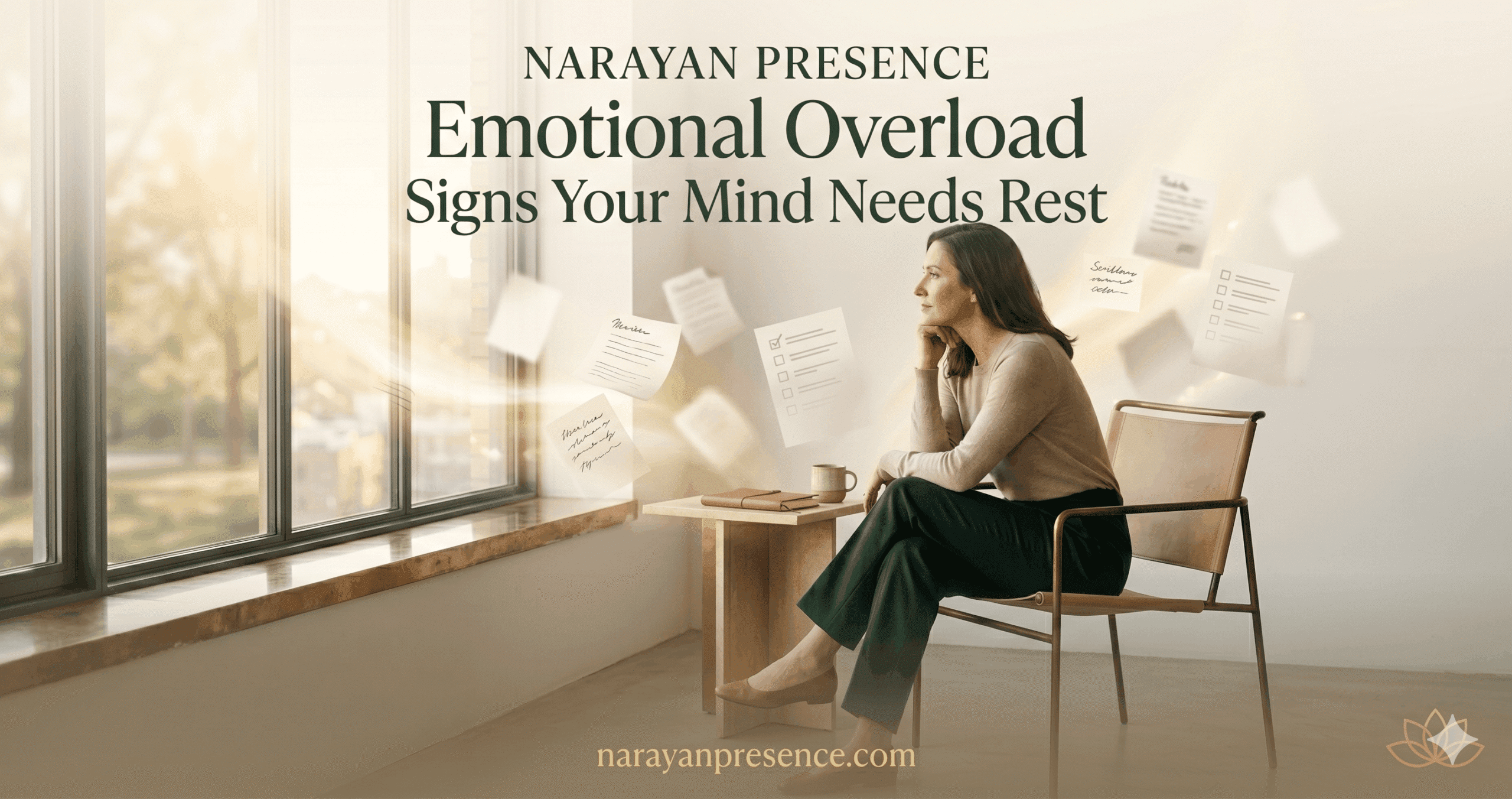
Some people look completely fine from the outside.
They go to work.
Respond to messages.
Take care of responsibilities.
Show up for others.
Yet internally, they feel exhausted.
Simple decisions feel difficult.
Small tasks feel heavy.
Their patience feels shorter.
Their mind feels crowded.
This is often called emotional overload.
It happens when your mind and nervous system carry more emotional pressure than they can comfortably process.
Unlike physical exhaustion, emotional overload is often invisible.
Many people continue functioning while quietly becoming overwhelmed.
For professionals, entrepreneurs, caregivers, and overthinkers across India, emotional overload has become surprisingly common.
The challenge is that many people do not recognize it until their energy, focus, relationships, and peace of mind begin suffering.

What Is Emotional Overload?
Emotional overload happens when stress, responsibility, thoughts, emotions, and life demands accumulate faster than your mind can process them.
Think of it like a computer with too many programs running simultaneously.
Eventually performance slows down.
Not because the system is broken.
Because it is overloaded.
Emotional overload often develops gradually.
There may not be a dramatic event.
Instead, it grows through:
- constant responsibility
- unresolved stress
- overthinking
- financial pressure
- relationship challenges
- work demands
- decision fatigue
- lack of emotional recovery
Many people searching for mental clarity are actually experiencing emotional overload without realizing it.
Why Emotional Overload Is Increasing
Modern life creates more mental input than ever before.
Most people are exposed to:
- constant notifications
- endless information
- social comparison
- work pressure
- financial uncertainty
- family responsibilities
- decision overload
Your brain was not designed to process endless stimulation without recovery.
Yet many people expect themselves to remain productive, positive, and focused regardless of how much they are carrying.
Over time, emotional pressure accumulates.
This creates overwhelm.
Not because you are weak.
Because your system is overloaded.
Signs of Emotional Overload
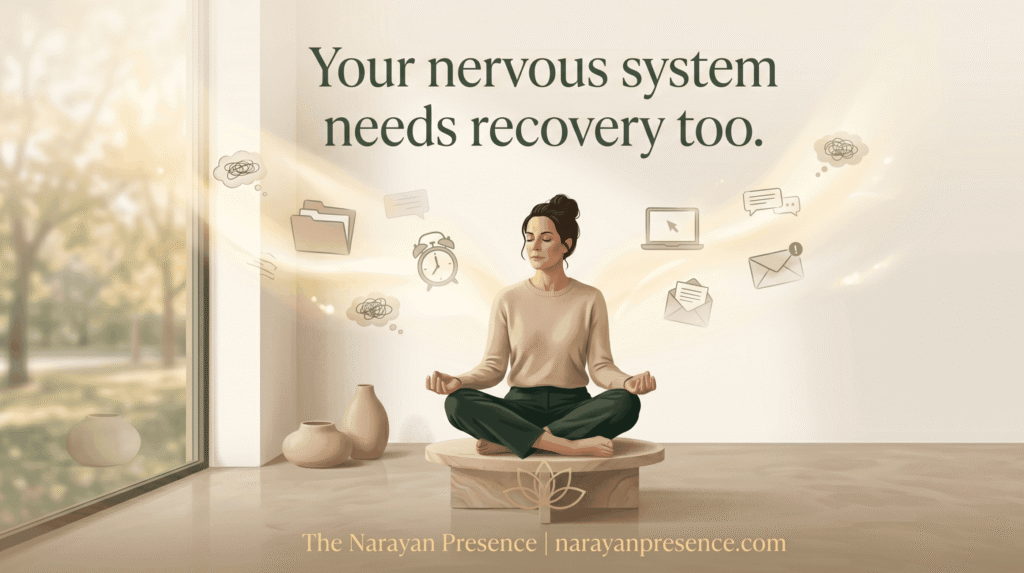
Many people miss the early signs because they expect overwhelm to feel dramatic.
Often it feels subtle.
Common signs include:
- Constant mental fatigue
- Difficulty focusing
- Feeling emotionally numb
- Irritability
- Decision fatigue
- Difficulty sleeping
- Overthinking small situations
- Lack of motivation
- Feeling overwhelmed by simple tasks
- Emotional sensitivity
- Mental clutter
- Wanting isolation more often
- Difficulty enjoying things you usually enjoy
The more signs you recognize, the more important it becomes to create space for recovery.
Emotional Overload vs Stress
Stress and emotional overload are related but not identical.
Stress is usually a response to a challenge.
Emotional overload happens when stress accumulates without enough recovery.
You may be able to handle one difficult situation.
You may even handle several.
But when challenges continue without emotional processing, overload develops.
Stress is often temporary.
Emotional overload tends to linger.
Why Overthinkers Experience Emotional Overload Faster
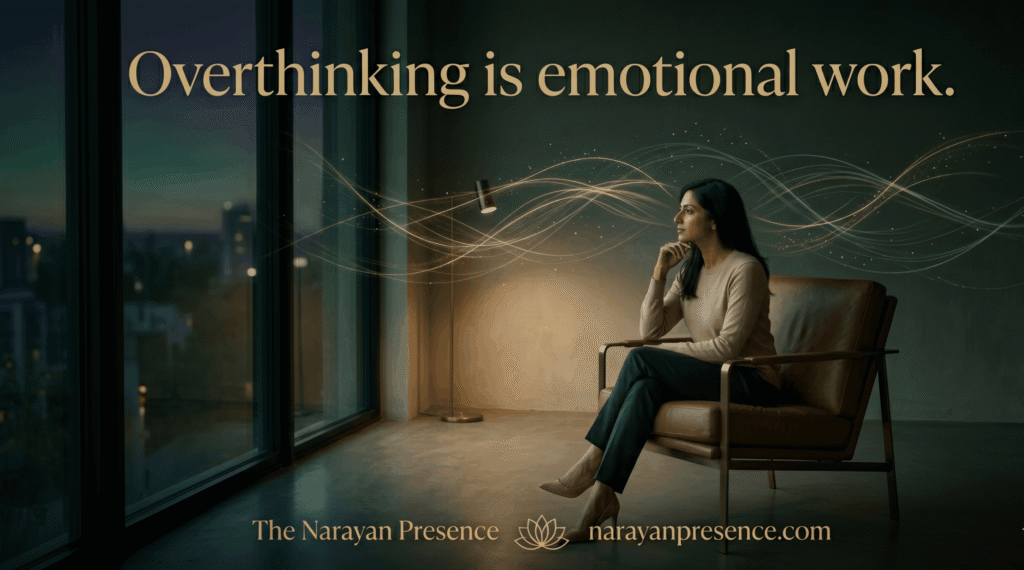
Overthinking consumes emotional energy.
When the mind constantly:
- analyzes
- predicts
- worries
- replays conversations
- imagines outcomes
it stays active even during rest.
Many overthinkers believe they are preparing themselves.
But eventually the brain becomes exhausted.
This is why emotional overload and overthinking often appear together.
The mind never fully switches off.
The Hidden Cost of Carrying Everything Alone
Many emotionally overloaded people share one pattern.
They carry too much responsibility internally.
They become:
- the problem solver
- the caretaker
- the planner
- the reliable person
Others depend on them.
Over time they stop noticing how much emotional weight they are carrying.
Eventually even simple responsibilities begin feeling heavy.
Not because they became incapable.
Because their emotional capacity has been stretched for too long.
How Emotional Overload Affects Decision Making
A tired mind struggles to make clear decisions.
When emotional overload increases:
- options feel overwhelming
- uncertainty feels threatening
- confidence decreases
- small choices feel exhausting
This is called decision fatigue.
Many people believe they have a decision problem.
In reality they have an emotional energy problem.
Mental clarity often improves when emotional pressure decreases.
Why Rest Doesn’t Always Fix Emotional Exhaustion
Many people feel confused because they rest physically but still feel tired.
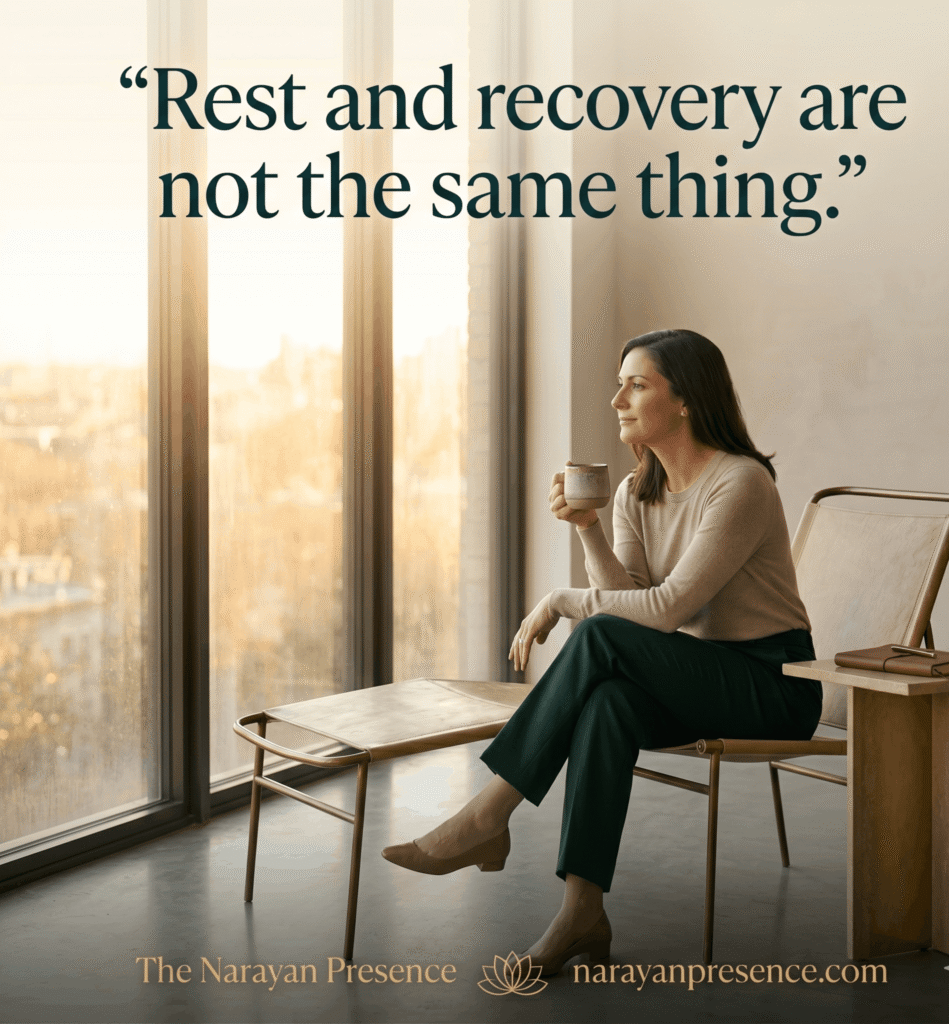
This happens because emotional recovery is different from physical recovery.
You can sleep eight hours while your nervous system remains activated.
You can take time off while still carrying emotional pressure.
Recovery requires more than rest.
It requires reducing internal overload.
Practical Ways to Reduce Emotional Overload
1. Reduce Mental Input
Your mind does not need endless information.
Create intentional quiet moments.
Reduce:
- scrolling
- notifications
- unnecessary stimulation
2. Write Down Mental Clutter
Journaling helps externalize internal pressure.
Many thoughts lose intensity when written down.
3. Stop Treating Rest as a Reward
Recovery should not depend on exhaustion.
Rest before burnout becomes necessary.
4. Create Emotional Boundaries
Not every problem belongs to you.
Compassion does not require carrying everyone.
5. Practice Awareness
Awareness often creates more change than self-criticism.
Observe your emotional state without immediately judging it.
Emotional Recovery Is a Skill
Many people wait until they feel overwhelmed before slowing down.
But emotional recovery works best when practiced consistently.
Small moments matter:
- walking
- reflection
- breathing
- journaling
- quiet mornings
- mindful pauses
Recovery is not a luxury.
It is maintenance.
A Reflection for Today
Ask yourself:
“What am I carrying right now that I no longer need to carry alone?”
That question alone can create surprising clarity.
Sometimes awareness is the first step toward recovery.
Need Support Finding Mental Clarity?
If emotional overload, overthinking, mental exhaustion, or decision fatigue are affecting your peace, Narayan Presence offers calm, non-religious clarity sessions designed to help you slow down, reflect, and reconnect with clearer thinking.
These sessions combine:
- reflective conversation
- awareness practices
- Narayan Reiki
- NLP-based self-understanding tools
- practical mental clarity frameworks
You do not need to carry everything alone.
FAQ
What is emotional overload?
Emotional overload occurs when stress, responsibility, thoughts, and emotions accumulate faster than your mind can process them, creating overwhelm and mental fatigue.
What are the signs of emotional overload?
Common signs include overthinking, irritability, mental exhaustion, emotional numbness, decision fatigue, poor concentration, and feeling overwhelmed by simple tasks.
Can emotional overload cause anxiety?
Yes. Emotional overload often increases anxiety because the nervous system remains in a heightened state of alertness for extended periods.
Why do I feel emotionally exhausted all the time?
Emotional exhaustion can result from chronic stress, overthinking, responsibility overload, unresolved emotions, and insufficient emotional recovery.
How can I recover from emotional overload?
Reducing mental stimulation, creating emotional boundaries, journaling, resting consistently, and developing self-awareness practices can help support emotional recovery.
Is emotional overload the same as burnout?
Not exactly. Emotional overload can contribute to burnout, but burnout typically develops after prolonged periods of emotional, physical, and mental exhaustion.
About the Author
Ranu Patel is the founder of Narayan Presence, a non-religious clarity and reflection platform based in Ahmedabad, India. Through practical awareness practices, Narayan Reiki, NLP, and reflection tools, she helps people reduce overthinking, emotional overwhelm, and mental exhaustion.
Last Updated: June 2026