
Introduction
In a world where attention is often drawn toward problems and pressures, gratitude offers a powerful shift in perspective. Instead of focusing on what is missing, gratitude encourages us to notice what is already present.
This simple change in awareness can transform the way we experience everyday life.
Gratitude is not about ignoring challenges or pretending that everything is perfect. It is about developing the ability to recognize meaningful moments, even during difficult times.
Over time, this habit strengthens emotional clarity, mindful awareness, and a deeper sense of inner balance.
What Is a Gratitude Mindset?
A gratitude mindset is the practice of consciously noticing and appreciating positive aspects of life. It involves shifting attention from scarcity to appreciation.
People who cultivate gratitude regularly tend to:
-
recognize small moments of joy
-
respond to challenges with greater patience
-
experience stronger emotional resilience
This mindset does not require dramatic life changes. It begins with small observations, such as appreciating a supportive conversation, a quiet moment of reflection, or the comfort of everyday routines.
When gratitude becomes a habit, the mind naturally begins to search for positive experiences rather than focusing only on difficulties.
Why Gratitude Matters for Personal Growth
Gratitude has a powerful influence on both emotional wellbeing and personal development.
1. Gratitude Improves Emotional Clarity
When people pause to recognize what they appreciate, they become more aware of their emotional state. This awareness reduces stress and helps create balanced responses to challenges.
2. Gratitude Strengthens Positive Thinking
The mind naturally develops patterns based on repeated thoughts. By focusing on appreciation rather than criticism, gratitude gradually reshapes those patterns.
This shift leads to more constructive thinking and greater optimism.
3. Gratitude Supports Mindful Living
Practicing gratitude encourages people to pay attention to the present moment. Instead of rushing through daily routines, individuals begin to notice meaningful experiences around them.
This awareness supports mindfulness and emotional steadiness.
How Gratitude Influences Your Mindset
Our mindset is shaped by the thoughts we repeat most often. If we constantly focus on stress or dissatisfaction, the mind becomes conditioned to expect negativity.
Gratitude interrupts this pattern.
When appreciation becomes a daily habit, the brain begins to recognize positive experiences more easily. Over time this improves emotional balance and increases overall life satisfaction.
Rather than reacting automatically to situations, people develop the ability to pause, reflect, and respond thoughtfully.
Simple Daily Gratitude Practices
Developing a gratitude mindset does not require complicated routines. Small daily practices are enough to create meaningful change.
1. Write Three Gratitude Notes
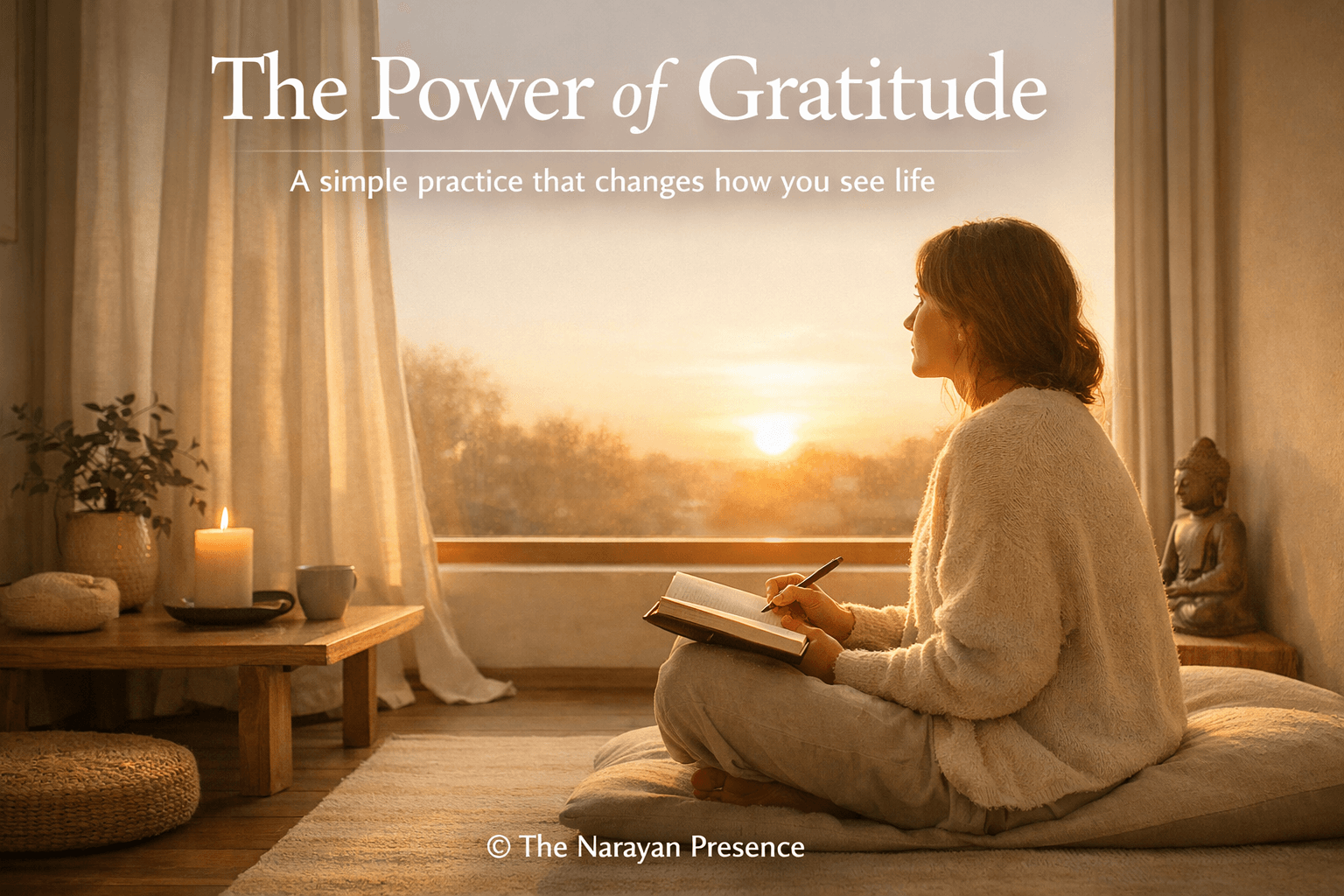
Each day, write down three things you appreciate. These can be simple moments such as a helpful conversation or a peaceful morning walk.
2. Pause and Reflect
Take a brief moment during the day to acknowledge something positive happening around you.
3. Express Appreciation to Others
Sharing gratitude with others strengthens relationships and reinforces positive emotions.
4. End the Day with Reflection
Before sleep, reflect on one meaningful experience from your day. This practice helps your mind close the day with awareness rather than stress.
Gratitude and Conscious Manifestation
Many people connect gratitude with conscious manifestation.
Manifestation is often misunderstood as simply wishing for desired outcomes. In reality, it begins with clarity of intention and alignment of actions.
Gratitude plays an important role in this process because it shifts the mind from scarcity to appreciation. When individuals recognize the value of what already exists, they naturally make choices that align with growth and opportunity.
Rather than chasing results, gratitude encourages a mindset of awareness and purposeful action.
How to Start a Daily Gratitude Practice
If you want to begin cultivating gratitude, start with a simple routine.
Choose a quiet moment each day and reflect on one meaningful experience. It could be a moment of kindness, a lesson learned, or a peaceful pause during a busy day.
Consistency matters more than duration.
Over time these small reflections build a powerful mindset that supports emotional clarity and personal growth.
Conclusion
Gratitude is one of the simplest practices for improving the way we experience life. By shifting attention toward appreciation, we develop greater awareness of what truly matters.
This change in perspective strengthens emotional balance, improves relationships, and supports conscious personal growth.
Even a few moments of daily reflection can gradually transform the way we see our world.
Gratitude does not change life overnight, but it changes how we walk through it.
FAQs
What is a gratitude mindset?
A gratitude mindset is the habit of noticing and appreciating positive aspects of life. It shifts attention away from scarcity and helps develop emotional clarity and mindful awareness.
How does gratitude improve your mindset?
Gratitude improves mindset by encouraging positive thinking patterns and reducing focus on stress. Over time it strengthens emotional resilience and overall life satisfaction.
How can I practice gratitude daily?
Daily gratitude can be practiced by writing down things you appreciate, reflecting on positive moments during the day, and expressing appreciation to others.
Why is gratitude important for personal growth?
Gratitude supports personal growth by encouraging awareness, emotional balance, and mindful decision-making. It helps individuals focus on opportunities rather than limitations.